
How SCAS is Strengthening Families
Every day in Shetland individuals quietly shoulder the responsibility of caring for loved ones, often without rest, recognition, or relief. The challenge is emotional and physical. Constant vigilance, worry, and a sense of isolation can build when daily life is increasingly confined to the home.
SCAS was created with the sole purpose of putting carers first, enabling them to enjoy a better quality of life and better support those they love. By sending a trained attendant into the home, the service gives carers the freedom to step away and reconnect with themselves beyond their daily responsibilities.
This break is vital for many. It offers a moment to recharge and return to caring with renewed strength. As one carer puts it, “It gives me time to relax and improves my mood... Your service is vital to me and my wife who I care for. I breathe a sigh of relief when I realise it is a SCAS day.” Another carer describes the beneficial sharing of knowledge, “[The attendants] have the experience that I am lacking, more importantly they share that experience in a kindly way.”
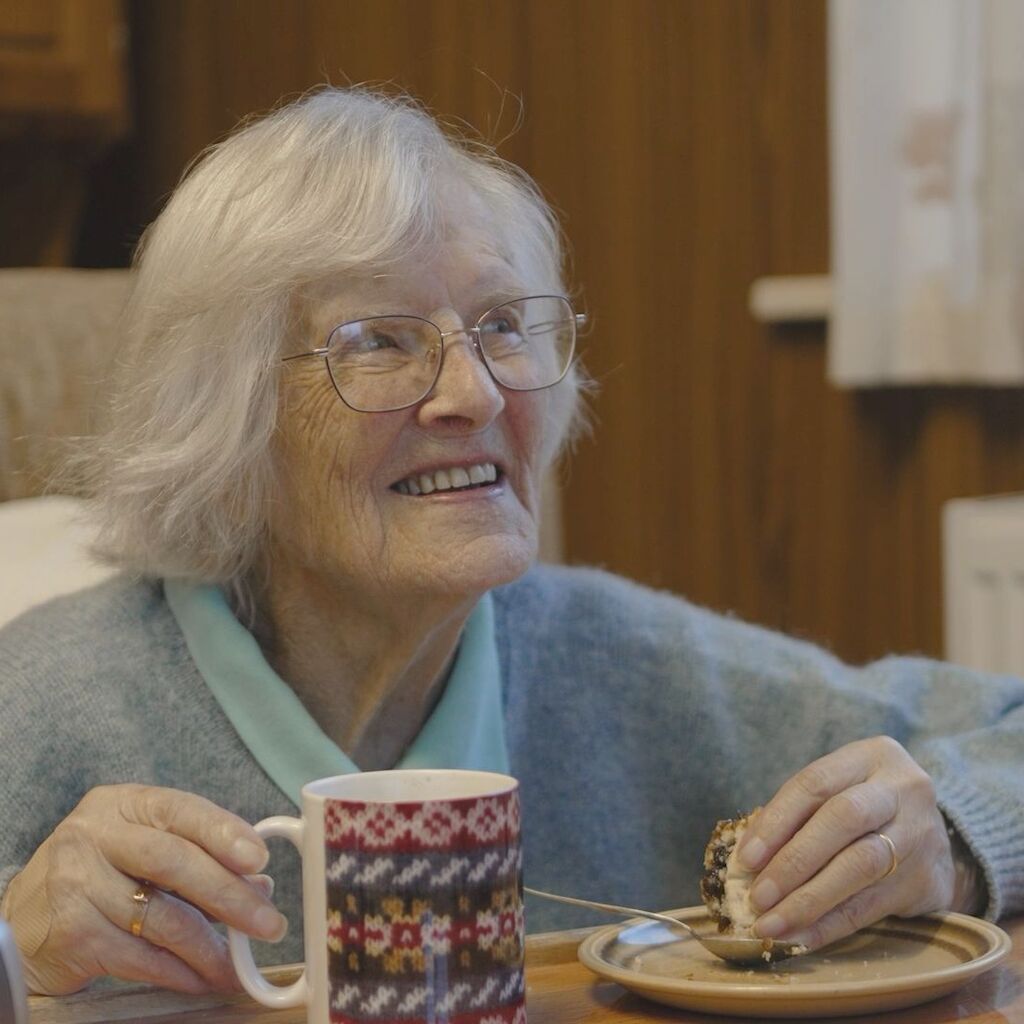
It’s not only the carer who benefits. With a trusted attendant present, the cared-for person can enjoy new experiences at home or enjoy a trip out and feel reinvigorated themselves. As one person shared, “I am taken to places I enjoy visiting. My carer lets me tell them about why I like this place. They often take me to my favourite cafes for tea and something to eat... I look forward to going out with them”.
When both the cared-for person and the carer are happier and more relaxed, it lifts the whole household and reduces the risk of crisis. It’s a model that strengthens families, echoing Scotland’s commitment to ‘shifting the balance of care’ towards home-based support and helping families avoid the disruption of institutional care.
SCAS supports around 90 families a year, many of whom are referred and supported by NHS Shetland or Shetland Islands Council. But thanks to additional funding from Shetland Charitable Trust, the service can reach more people earlier, offer overnight support, and respond flexibly when help is needed most.
By putting carers first, more people can find the respite they deserve, and more loved ones can remain where they belong.